|
|
| |
| Perceptions about post-conflict livelihood interventions in Khyber Pakhtunkhwa, Pakistan: Targeting, access and relevance |
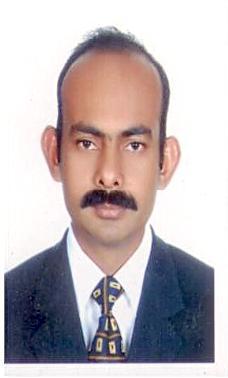
| Qasim Ali Shah* |
| Babar Shahbaz** |
|
Violent conflict in Malakand division during 2007-09, followed by a devastating flood in 2010, resulted in massive displacement of the local population, damaged infrastructure and resources, with a majority of people losing their livelihoods. Once people returned to their homes, a major challenge for them was how to restart their livelihoods. At this critical juncture, the Government of Pakistan and its development partners started interventions in different sectors including livelihood building and employment generation.
This paper examines the rationale and relevance of post-conflict livelihood interventions (specifically those meant to build assets; income generation and capacity building which range from provision of seeds and fertilisers to improving infrastructure) by using qualitative techniques of investigation in Swat and Lower Dir districts (primarily rural areas where agriculture is a dominant livelihood strategy) of Khyber Paktunkhwa province in Pakistan. Drawing from community perceptions, this study found that interventions were badly needed in the region without which people would have suffered far more. However, there are issues around inclusion and exclusion of beneficiaries and the rationale behind some of the interventions that need to be questioned.
|
 |
* |
Qasim Ali Shah is an Associate Research Fellow
at the Sustainable Development Policy Institute (SDPI), Islamabad, Pakistan and
doctoral candidate at Wageningen University, The Netherlands.
|
 |
** |
Dr. Babar Shahbaz is an Associate Professor,
University of Agriculture, Faisalabad and Visiting Fellow at the Sustainable
Development Policy Institute (SDPI), Islamabad, Pakistan.
|
|
|